
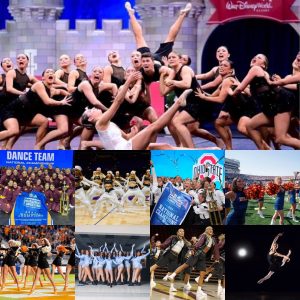
 Imagine the final seconds of a high-stakes competition routine. The music crescendos. A dancer launches into a triple pirouette, followed by a soaring leap that splits the air, lands with cat-like precision, and transitions seamlessly into a series of explosive kicks and turns. The crowd erupts. The judges scribble furiously. For two fleeting minutes, perfection unfolds—effortless, radiant, breathtaking. What the audience doesn’t see are the 20, 30, or even 40 hours of weekly training that made it possible. The weight sessions that sculpted the power behind every jump. The ice packs applied after rehearsals. The tears wiped away before stepping onstage with a flawless smile. This is not a hobby. This is not merely art. This is sport—at its most demanding, disciplined, and dazzling.
Dance, particularly in its competitive and collegiate forms, meets every objective criterion of a sport: physical exertion, specialized skill, competition against others, and entertainment for spectators. Yet it remains sidelined, denied NCAA recognition, athletic scholarships, and the institutional support afforded to football, basketball, or even cheer. Dancers are athletes. They train like athletes, injure like athletes, recover like athletes, and compete like athletes. It is time—past time—for them to be treated as such, with access to athletics scholarships that honor their dedication, sustain their bodies, and open doors to higher education.
This article makes the case in exhaustive detail. Dance demands not only grace but raw strength, endurance, and power. The hours invested in perfecting a two-minute routine reveal a level of commitment that rivals any traditional sport. Dancers smile through pain, maintain elite academics, support other athletic programs, and push through injuries with no second chances—echoing Eminem’s immortal line: “You only get one shot.” They are athletes in every meaningful sense. Recognizing them as such and awarding athletic scholarships is not only fair; it is essential for equity, athlete welfare, and the future of the discipline.
The Physical Reality: Grace Is the Illusion—Strength Is the Foundation
At first glance, dance appears ethereal: flowing lines, weightless leaps, expressive faces. But peel back the curtain, and the athletic demands are unmistakable. Competitive dancers require the full spectrum of physical fitness—cardiovascular endurance, muscular strength, muscular endurance, flexibility, and precise body composition—often exceeding the demands of many ball-and-stick sports.
Consider the biomechanics. A dancer executing a grand jeté must generate explosive power from the legs and core while maintaining perfect alignment in the air. Partner lifts in contemporary or jazz demand upper-body and core strength comparable to a gymnast or wrestler. Turns and balances rely on stabilizer muscles that most weekend warriors never engage. Flexibility without strength leads to injury; strength without flexibility limits range. Dancers master both simultaneously, training muscles to be powerful yet supple—loose enough for a 180-degree développé, strong enough to hold it mid-air.
Studies confirm the toll. Professional ballet dancers suffer injury rates as high as 61 percent over eight months—matching collision sports like football and wrestling. Broader data show dance injury incidence between 0.62 and 5.6 per 1,000 exposure hours, with 72 percent classified as overuse injuries. Ankles, knees, hips, and lower backs bear the brunt from repetitive impact, extreme ranges of motion, and high-impact landings performed on hard studio floors. Dancers do not wear pads or helmets; their bodies are the equipment.
Cross-training reveals the truth. Elite dancers incorporate weight training—squats, deadlifts, planks, resistance bands—not for vanity but necessity. A strong core prevents collapse during fouetté turns; powerful glutes and quads power leaps that appear weightless. Without it, technique crumbles under fatigue. The Baylor Dance Company president put it bluntly: dancers maintain “toned muscles, controlled movement, and memorized choreography” through the same “blood, sweat, and tears” as any athlete.
Compare this to recognized sports. Gymnastics, an Olympic sport, features similar acrobatics and is universally accepted as athletic. Figure skating and synchronized swimming blend artistry with judged physical performance yet receive full recognition. Dance does the same—only without the institutional backing. The body creates the sport; no ball or bat is required. As one dancer-teacher with 18 years of experience noted, “A ball doesn’t create the sport, your body creates it.”
The Training Grind: Hundreds of Hours for Two Minutes of Proof
No sport rewards inefficiency. In dance, the math is brutal: thousands of hours for a routine that lasts roughly 120 seconds. Competitive dancers at the highest levels log 15–30+ hours weekly—ballet technique, rehearsals, choreography polishing, strength sessions, and conditioning. Professional or pre-professional tracks can exceed 30 hours, rivaling full-time jobs.
A two-minute solo or group piece is not improvised. Every count is choreographed, every transition drilled until muscle memory takes over. Dancers repeat phrases hundreds of times to achieve the illusion of ease—clean lines, effortless height, synchronized timing. One Irish dancer described training seven hours a day, six days a week, propelling the body across the floor at heart rates up to 180 bpm with complex leaps, spins, and landings. Collegiate teams add academic dance credits (averaging 7.7 per semester) plus separate rehearsals.
This volume builds the stamina needed for competition days: multiple routines, back-to-back performances, and travel. Endurance is not accidental; it is engineered through deliberate practice. The ability to “make it look easy” is the ultimate athletic achievement—hiding the exhaustion, the micro-adjustments, the years of correction. Parents and coaches know the truth: competitive dance is early specialization at its most intense, demanding deliberate practice from childhood.
Mental Toughness: Smile Through the Pain, One Shot Only
Physical demands pale beside the psychological ones. Dancers perform under scrutiny where a single misstep costs points, titles, or college opportunities. There are no timeouts, no substitutions, no do-overs. As Eminem raps in “Lose Yourself,” “You only get one shot.” A missed landing, a wobbly turn, or a forgotten count can end a season. The pressure is unrelenting.
Yet the face must radiate joy. Judges deduct for visible strain. Audiences demand entertainment. So dancers smile through shin splints, stress fractures, and torn ligaments. They compartmentalize pain, push endorphins, and project confidence. This mental resilience rivals any locker-room pep talk. One analysis called it the “hardest sport” precisely because of this cognitive load: memorizing full routines flawlessly while executing them at peak physical output with zero margin for error.
Emotional labor compounds it. Body image scrutiny, constant feedback, and the fear of aging out of peak performance create anxiety and dysmorphia. Yet dancers return daily, embodying grit that would earn standing ovations in any other arena.
The Full Student-Athlete Load: GPA, Recovery, and Supporting the Squad
Dancers are not excused from academics. Many maintain GPAs above 3.5 to qualify for honors like Academic All-America while logging athletic hours that eclipse many varsity teams. They balance studies, rehearsals, weight training, physical therapy, nutrition, and sleep—then often perform at football games, basketball halftimes, and pep rallies to support “real” athletes. Dance teams are the entertainment backbone of collegiate athletics, yet receive none of the benefits.
Recovery is non-negotiable yet under-resourced. Ice baths, foam rolling, physical therapy, and nutrition tracking are daily rituals. Injuries are managed, not rested away, because missing a competition can cost scholarships or spots. They compete hurt—smiling, of course—while maintaining the same academic and training standards as scholarship athletes.
The Injury Paradox: Bodies Pushed to the Limit Without Protection
Dancers injure at rates equal to or exceeding contact sports. Overuse dominates because the sport rewards repetition and extreme ranges. A 17-year study documented 113,000 emergency visits for youth dance injuries. Full-time dancers face chronic inflammation, sprains, and strains at higher percentages than part-time peers. Without NCAA-mandated athletic training, medical coverage, or Title IX protections, many pay out-of-pocket or push through.
This is not sustainable. Recognition would bring certified trainers, strength coaches, and injury-prevention protocols—saving careers and lowering long-term healthcare costs.
The Scholarship Gap: Talent Without Financial Support
The NCAA does not classify competitive dance as a sport. Consequently, there are no official athletic scholarships, limited Title IX coverage, and minimal institutional support. Teams fundraise for travel, costumes, and entry fees. Athletes pay to participate while training at elite levels. Some schools offer small stipends or merit aid through dance departments (like the University of Arizona’s competitive merit scholarships for dance majors), but these are not athletic awards and do not confer the same status or resources.
This disparity hits hardest for female athletes. Dance is overwhelmingly women’s territory, yet denied the equity tools other sports enjoy. OCR historically views dance as “support” for male-dominated teams, blocking recognition.
Awarding athletic scholarships would change everything. It would recruit top talent, reduce financial barriers, reward dedication, and align incentives with performance. Universities would gain revenue-generating entertainment squads and stronger Title IX compliance. Dancers could focus on training and academics instead of side jobs. The pipeline to professional dance, Broadway, or teaching would strengthen.
Counterarguments: Art vs. Sport and Other Myths Debunked
Critics claim dance is “art, not sport.” Yet gymnastics, figure skating, and diving blend both—and are Olympic sports. Choreography does not negate athleticism; it enhances it.
“No ball or equipment”? The body is the instrument. Dance requires more versatile athleticism than many equipment-dependent sports.
“Subjective judging”? So are gymnastics and diving. Objective criteria—technique, execution, difficulty—still govern.
“Not enough countries for Olympics”? Irish dance competes globally at World Championships; breaking nearly made the Games. Popularity is growing.
The real barrier is tradition and perception. Changing it requires advocacy from dancers, coaches, parents, and administrators.
A Call to Action: Recognize, Fund, Elevate
Dance athletes have waited long enough. They train harder, injure more frequently, and sacrifice more than many recognized athletes—without the rewards. They support other sports while asking for nothing in return. They pour heart, soul, and body into routines that last minutes but demand lifetimes of preparation.
It is time for the NCAA, the Office for Civil Rights, high school athletic associations, and universities nationwide—including programs in Phoenix and across Arizona—to classify competitive dance as a sport. Athletic scholarships must follow. The physical evidence is irrefutable. The dedication is undeniable. The inequity is unacceptable.
Dancers are athletes. Call them that. Fund them as such. Celebrate them as the elite competitors they are. One shot is all they get—let’s make sure it counts for everything it deserves.